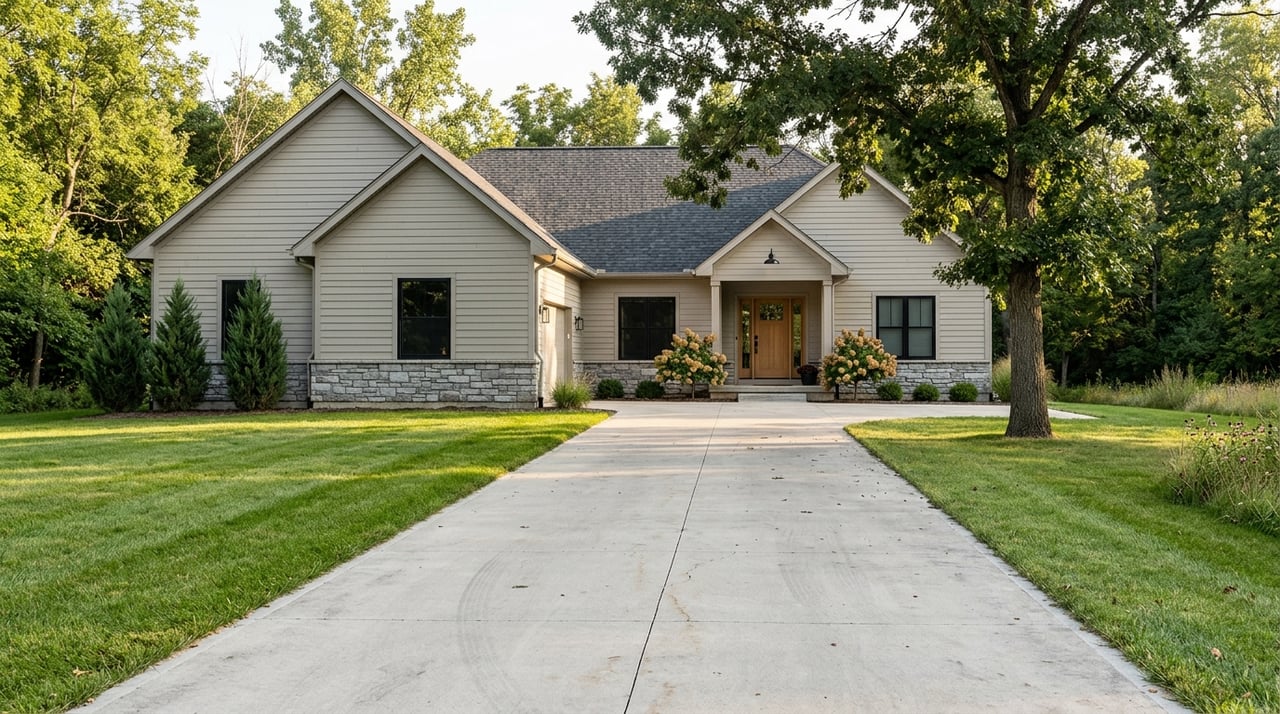
Lowell In-Town vs Country Living: Find Your Best Fit
July 2, 2026
July 2, 2026
Wondering whether life in Lowell feels better close to downtown or out where the lots open up? If you are thinking about buying in or around Lowell, that choice can shape your daily routine just as much as the house itself. From parks and municipal services to acreage, wells, and septic systems, understanding the difference can help you choose a property that truly fits how you want to live. Let’s dive in.
Lowell is a small town in Lake County with a 2020 Census population of 10,680. The town’s planning vision emphasizes a traditional, small-town, pedestrian-friendly identity, while major routes like SR 2, US 41, and I-65 help connect you to the wider region.
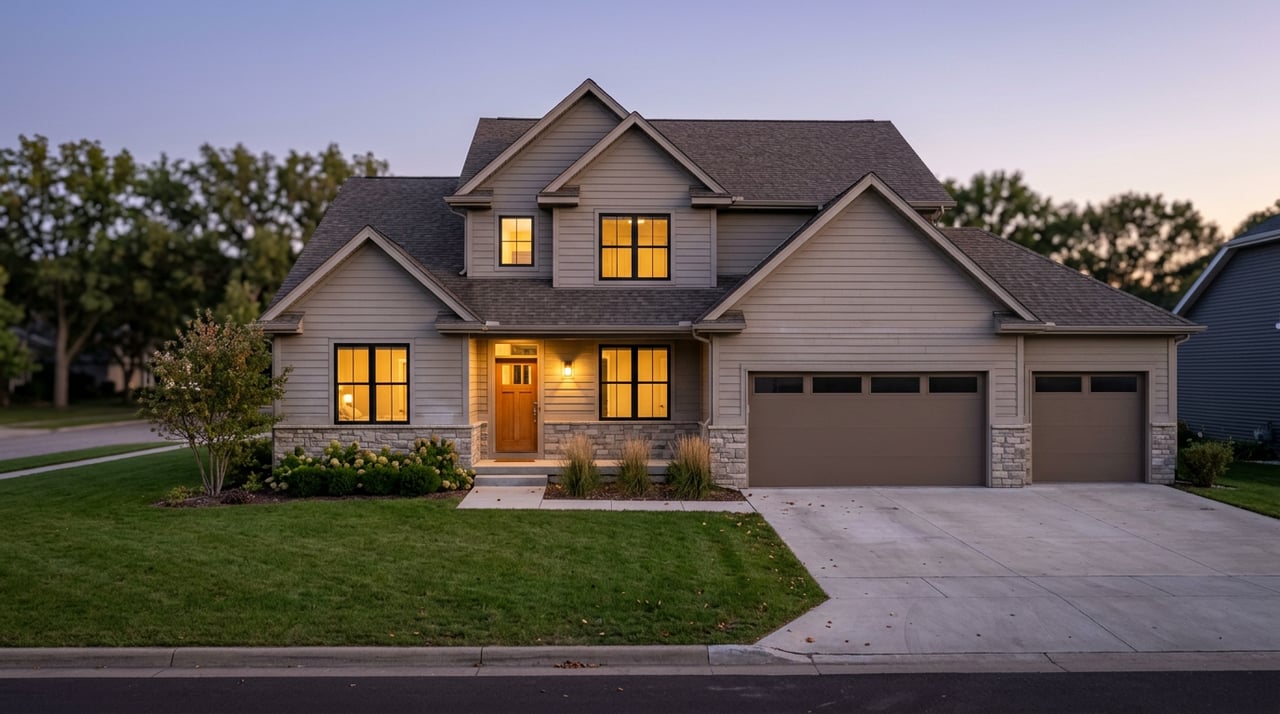
That mix is a big reason buyers are drawn here. You can find homes with a more connected in-town feel, or you can look toward the edge of Lowell for a more rural setting with open land and agricultural character.
If you picture being closer to everyday conveniences, in-town Lowell may feel like the right fit. Lowell’s downtown historic district identifies Commercial Avenue as the heart of the business district and describes downtown as one of the most intact small-town commercial centers in southern Lake County.
In practical terms, living in town often means easier access to the places and services many buyers use most. That can include parks, schools, town spaces, and municipal utilities and maintenance services.
The Town of Lowell Public Works Department oversees streets, water, wastewater, and trash and recycling. The Street Department also handles snow removal, pothole patching, ditch and culvert cleaning, street lights, and branch and leaf pickup.
For many buyers, that kind of structure adds convenience to daily life. If you want a property connected to town systems and supported by regular municipal services, an in-town location may be appealing.
Lowell has a defined local park system with several parks and community spaces. Freedom Park includes a dog park, playground, sports fields, washrooms, a reservable shelter, and a reservable gazebo, while Olde Towne Square sits at Commercial Avenue and Fremont Street.
If you like being able to get out for a walk, use local recreation spaces, or enjoy town events and gathering spots, living in town can make that easier. It supports the small-town, connected feel that Lowell’s planning documents emphasize.
Tri-Creek School Corporation lists Lowell High School, Lowell Middle School, Lowell Intermediate School, Lake Prairie Elementary School, Oak Hill Elementary School, and Three Creeks Elementary School with Lowell addresses. For buyers who want shorter drives to school buildings and town errands, that concentration can be a plus.
The same goes for quick trips to the downtown core. If your ideal routine includes more convenience and fewer long drives for basic stops, in-town Lowell may match your style better.
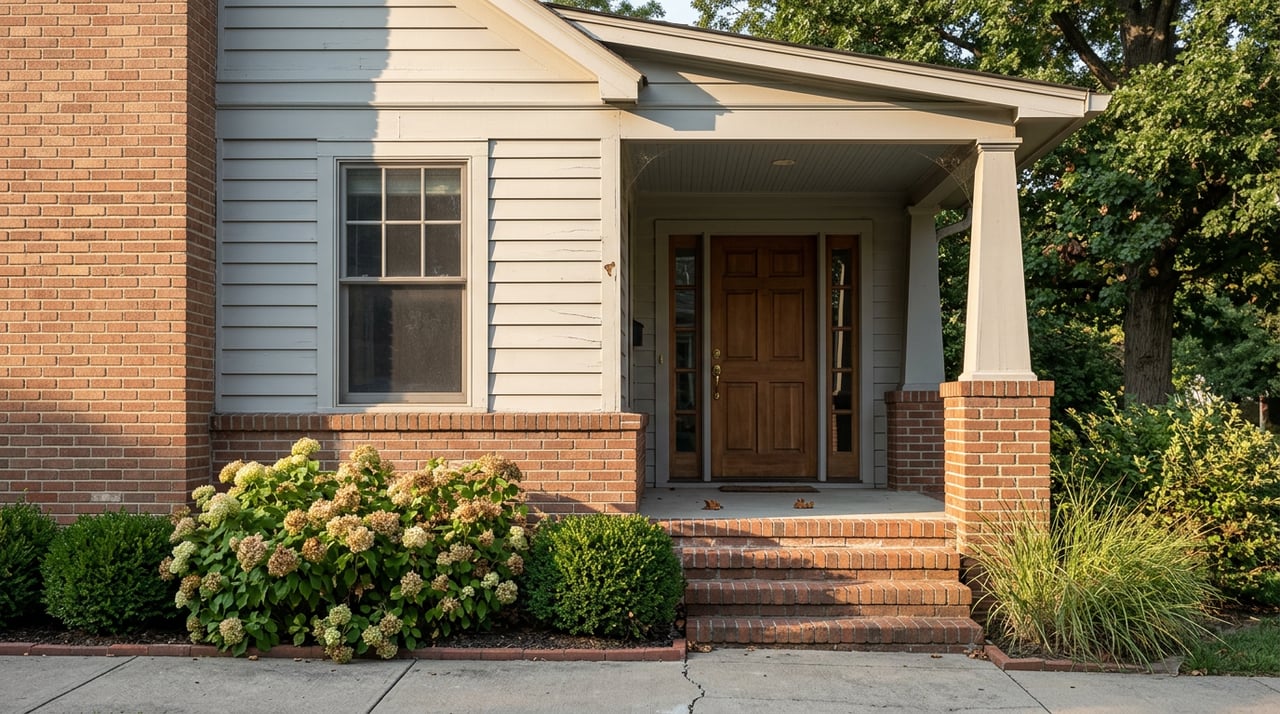
Some homes and buildings near downtown may fall under historic-district review for exterior changes. That does not automatically make a property harder to own, but it can affect how you approach renovations and exterior updates.
If you love character and a more established town-center setting, that may be a tradeoff worth making. It simply means you should understand any review requirements before you buy.
If your ideal home includes more open space, more privacy, or a rural feel, country living near Lowell may be the better match. On the edge of town, the land-use pattern becomes more agricultural and working-land oriented than the town core.
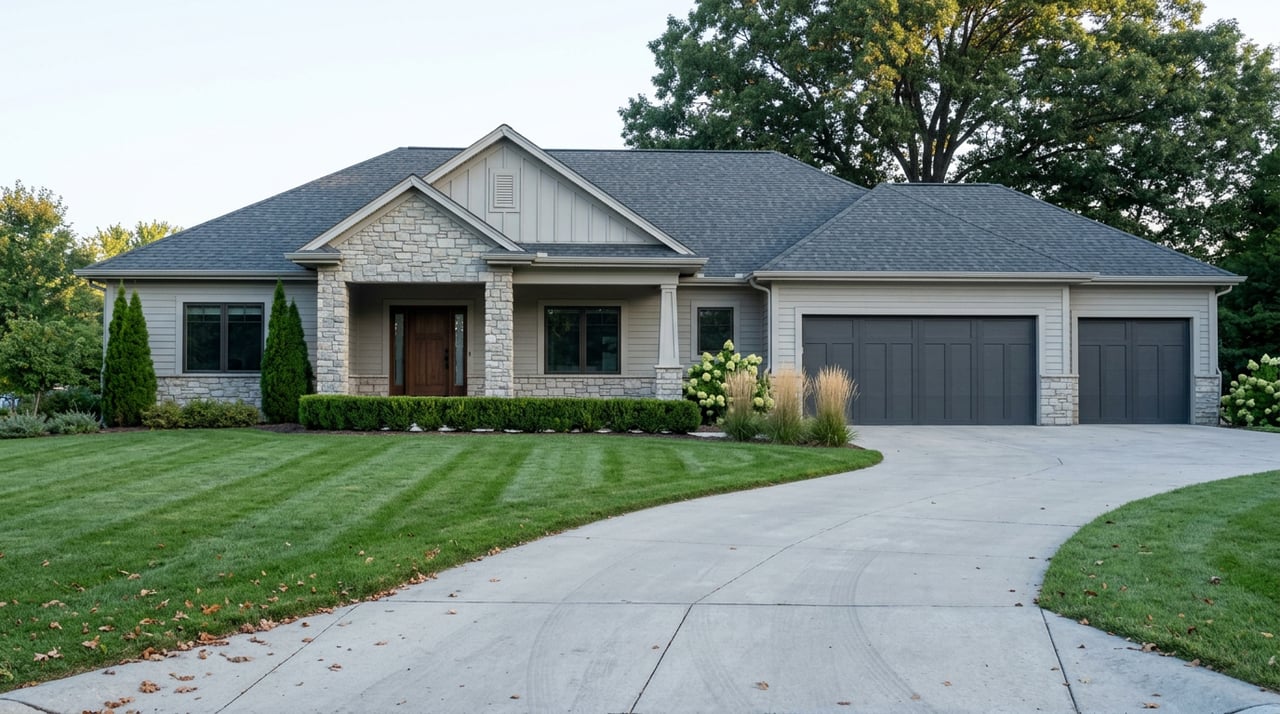
That can create a very different day-to-day experience. Instead of prioritizing quick access to downtown, you may be choosing room to spread out and a property that functions more like a rural homestead than a neighborhood lot.
Lowell’s zoning code preserves agricultural land use through its AG district, which is intended primarily for agricultural activities. The town’s land-use matrix includes uses such as pasture, livestock, crop production, farm storage, farmers markets, and farm equipment sales and service.
That tells you something important about the feel of the area. In the right location, country living near Lowell is not just about bigger lots. It is also about being in a landscape shaped by agriculture and open land.
One of the biggest differences with rural or acreage properties is that utility service may be more property-specific. Lowell’s code says agriculturally zoned property is exempt from the requirement to connect to town utilities until there is a change of use, a zoning change, or a subdivision.
For buyers, that means one parcel may operate very differently from another. Before you fall in love with the setting, make sure you understand exactly how the property is served.
If a home uses a septic system, Lake County states that onsite wastewater systems are used where centralized sewer is unavailable and that regular maintenance is essential. For private wells, the Indiana Department of Health recommends at least annual testing and notes that private well water is not regulated by the EPA or IDEM.
That does not mean rural living is harder. It means you need to go in with clear expectations. Acreage buyers should be prepared for more property-specific due diligence than they might need with a typical in-town home.
Choosing between in-town Lowell and country living usually comes down to how you want your home to support your routine. Neither option is better for everyone, but each tends to fit a different kind of buyer.
Here is a simple side-by-side look.
| Lifestyle Factor | In-Town Lowell | Country Living Near Lowell |
|---|---|---|
| Daily feel | More connected, town-centered | More open, rural, private |
| Services | Often closer to municipal services | Utility setup may vary by parcel |
| Access | Easier trips to parks, schools, downtown | More spread out, property-dependent |
| Land use nearby | Traditional town pattern | Agricultural and working-land setting |
| Maintenance considerations | May include town services and, in some areas, historic review | May include well, septic, and more site-specific upkeep |
No matter which direction you lean, a few early questions can save you time and stress. These details will help you understand not just the property, but the lifestyle that comes with it.
Ask about:
Those answers can affect everything from monthly services to long-term maintenance and renovation plans. They also help you compare homes more clearly when one is in town and another sits on acreage.
In-town Lowell is often a strong fit if you want convenience, a defined town-center feel, and easier access to schools, parks, and downtown spaces. It supports a lifestyle built around connection, shorter local trips, and municipal services.
Country living near Lowell may fit better if you want privacy, open space, and a property with a more rural feel. If that is your goal, the extra due diligence around zoning, utilities, wells, or septic may feel well worth it.
The best choice comes down to how you want to live every day, not just what looks good in photos. When you understand the differences early, you can shop with more confidence and avoid surprises later.
If you are weighing homes in Lowell or nearby Northwest Indiana communities, The Ruvoli Group can help you compare options, understand property details, and find the right fit for your lifestyle.
Stay up to date on the latest real estate trends.
I have specific knowledge of creating go-to-market strategies that will get your home seen and sold. Customer service is our highest priority! We are here to help you every step of the way in your buying or selling experience.
Get In Touch With Our Team To Learn More

855 E NORTH ST CROWN POINT IN 46307