What Crown Point's Housing Age Split Actually Means for Your Inspection
September 3, 2026
September 3, 2026
A seller three years into a new build in Winfield fills out Indiana's disclosure form in about ten minutes. Nothing to report, nothing has broken yet, the house barely has a maintenance history. A seller two blocks from the Lake County Courthouse Square, in a home built before the Depression, spends an evening at the kitchen table with old permits and receipts, bracing for a longer conversation with the buyer's inspector.
Both sellers assume the newer house has the easier path to closing. That assumption is only half right, and the half that's wrong is the half that costs money.
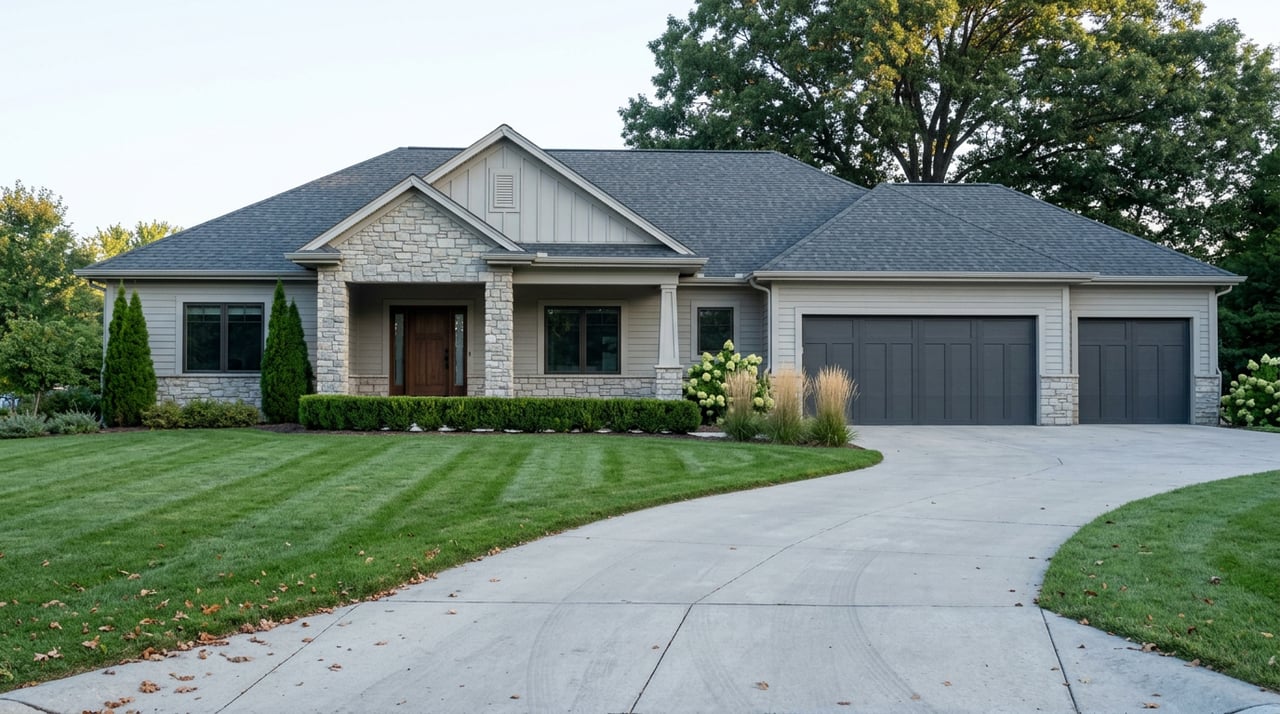
Crown Point's housing stock isn't one market. It's three, layered by decade and geography, and a local inspection company that works this area regularly describes it plainly: the city holds "older Victorian-era homes near the square, 1970s–90s suburban tracts, and brand-new construction pushing toward the south end of town." Each tier produces a different inspection report before the buyer's agent even schedules a walkthrough.
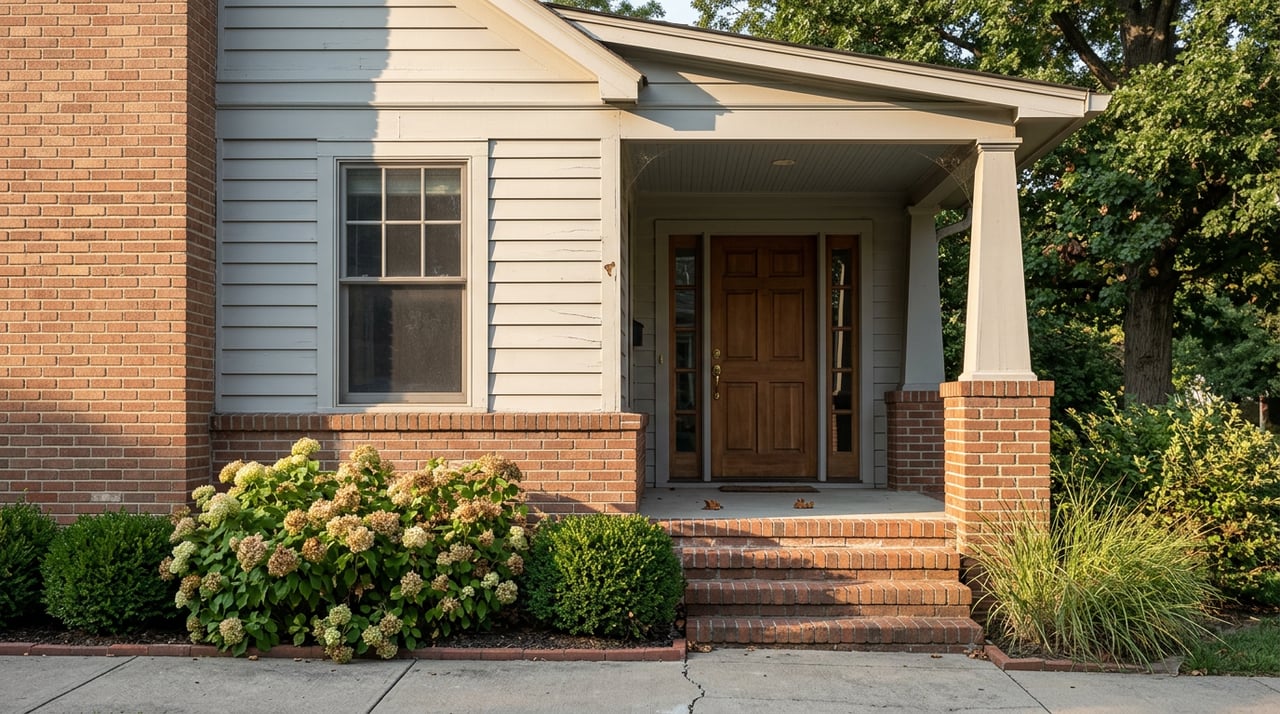
Near the square and through unincorporated Center Township, the oldest homes carry systems that have been touched by multiple owners over the decades. Wiring gets updated in pieces. Plumbing gets rerouted around a remodeled bathroom. None of that is a defect by itself, but it means an inspector working through an 1890s frame house is more likely to find aging electrical panels, plumbing that was vented correctly for a different era of code, and crawl space moisture that has never had a permanent fix.
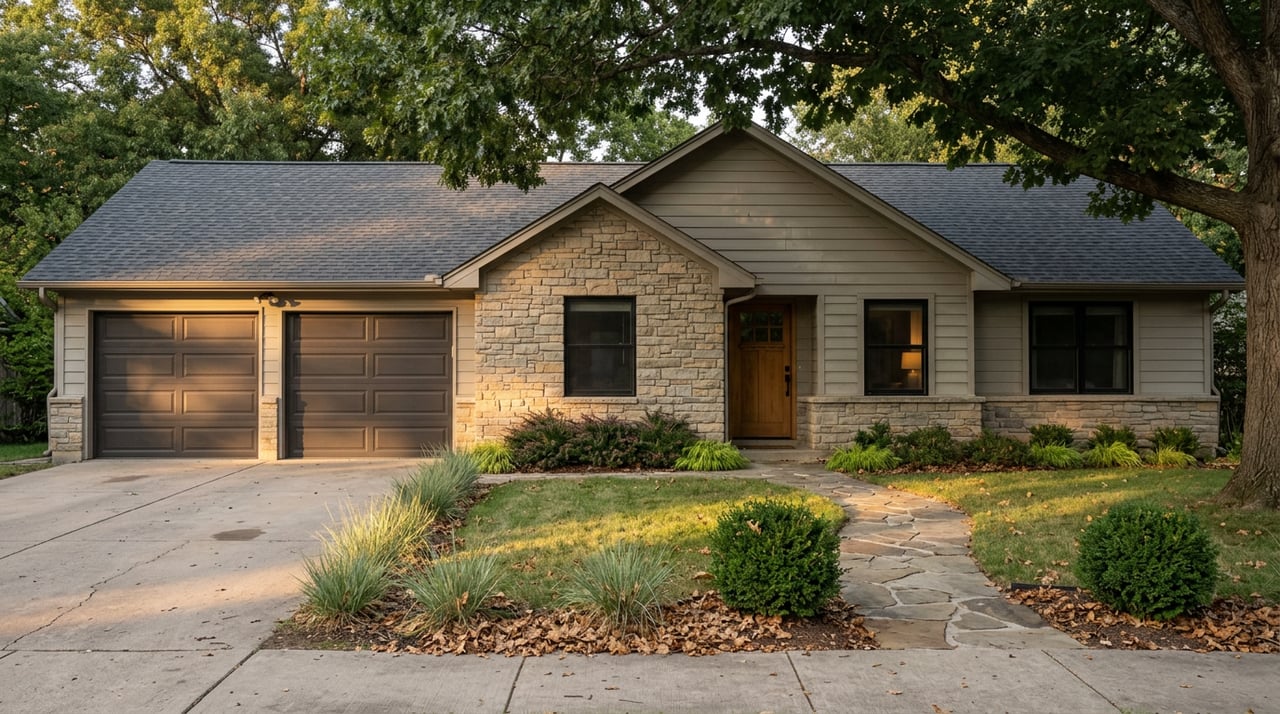
The 1970s through 1990s tracts sit in the middle. These homes are old enough to have original mechanical systems reaching the end of a normal lifespan (a roof pushing past 20 years, an HVAC system installed before today's efficiency standards) but young enough that most structural surprises have already been found and fixed by a prior sale.
New construction toward Winfield, including subdivisions like Doubletree Lake Estates and Lakes of the Four Seasons, looks like the safest tier on paper. Newer wiring, current code, a builder's warranty still active in many cases. That's real, and it's also where sellers get overconfident.
Here's how the three tiers typically compare on what shows up first:
| Housing Tier | Typical First Flag | Disclosure Form Length | Where Sellers Get Surprised |
|---|---|---|---|
| Victorian-era, near the square / Center Township | Aging electrical, vented plumbing, crawl space moisture | Long, detailed | Lead paint disclosure and the federal 10-day window |
| 1970s-90s suburban tracts | Roof age, HVAC nearing end of life | Moderate | Assuming a past repair doesn't need mentioning |
| New construction, Winfield subdivisions | Grading, drainage, missed warranty inspection | Short, sparse | Believing a short form means no real risk |
This is the part that changes how a Winfield seller should think about listing. Indiana's clay-heavy soil and its freeze-thaw cycle don't check the year a house was built. They act on the foundation, the flashing, the masonry, and the drainage routes of every structure in the county, whether it went up in 1895 or 2023. Statewide, foundation cracks tied to clay soil and freeze-thaw movement are one of the most frequently cited findings in Indiana home inspections, right alongside basement moisture in homes without proper grading or gutter systems.
A brand-new home in a Winfield subdivision hasn't had thirty winters to reveal a drainage problem. That doesn't mean the problem isn't forming. A downspout that discharges too close to the foundation, a lot that wasn't graded to move water away from the house, or a sump pump that hasn't been tested under real load will read the same on an inspection report whether the house is three years old or a hundred. The short disclosure form a new-construction seller fills out reflects what the seller knows, not what the soil is doing under the slab.
Radon follows the same logic. Indiana doesn't require radon testing before a sale, but the geology doesn't care about the house's age either. The state largely falls within EPA Radon Zone 1, indicating a higher-than-average potential for elevated radon, and that classification applies to a 2024 build in Winfield exactly as it applies to a Victorian on the square. Most buyers will request a test during their inspection period regardless of the disclosure form's length, and mitigation typically runs $800 to $2,500 when a system needs one installed.
The state's own guide to radon for buyers and sellers walks through what that process looks like, and it's worth reading before you list rather than after an inspector's radon canister comes back high.
Indiana Code 32-21-5 requires sellers of most one-to-four-unit residential properties to complete a Seller's Residential Real Estate Sales Disclosure Form before accepting an offer, not at closing. The form covers structural condition, mechanical systems, water and sewer source, environmental hazards, and flooding or drainage history. You can read the actual code text through the Indiana General Assembly if you want the underlying language rather than a summary.
For homes near the square built before 1978, a separate federal rule layers on top of the state form. Buyers get a 10-day window to conduct a lead-based paint inspection or risk assessment unless they waive it in writing. That window applies regardless of what the state disclosure form says, and it's a step Victorian-home sellers should plan for rather than discover mid-contract.
New construction isn't automatically exempt from the state disclosure requirement, but one common exemption does apply to some Winfield-area transactions: a transfer from a developer to the first buyer of a new home can fall outside the disclosure requirement in certain cases. That's worth confirming with whoever is handling your closing, since it changes what paperwork you're responsible for.
Across every tier, the honesty of the form matters more than its length. Indiana shields sellers from liability for honest mistakes as long as they weren't negligent and didn't have actual knowledge of the defect. Incomplete disclosure, on the other hand, is one of the top reasons Indiana deals fall apart. A short form filled out carelessly carries more risk than a long form filled out completely, no matter which side of town you're on.
Do I have to fix everything a home inspector finds before selling in Crown Point? No. Indiana law does not require sellers to make repairs based on a buyer's inspection report. What the inspection does is shape negotiation, and a seller who already knows what's likely to show up has more room to negotiate from a position of knowledge rather than surprise.
Does a new home in a Winfield subdivision still need the state disclosure form? In most cases, yes. A narrow exemption can apply to a transfer from a developer to the first buyer of a new home, but that exemption doesn't automatically extend to a second sale of the same house a few years later.
Is radon testing legally required before I sell? No, Indiana does not mandate radon testing. Most purchase agreements include a radon contingency anyway, and given the state's Zone 1 classification, buyers in Crown Point are likely to request one regardless of the disclosure form.
What's the difference between the disclosure form and the form filed at closing? Indiana actually uses two separate documents that both get called a "sales disclosure form." The IC 32-21-5 form covers the seller's actual knowledge of the property's condition and must be delivered before an offer is accepted. A separate form, filed with the county auditor at closing, is used for property tax assessment and has nothing to do with the home's physical condition.
If you're getting ready to list near the square, in one of the established subdivisions, or out toward Winfield, the prep work looks different depending on which Crown Point you're actually in. The Ruvoli Group works across every one of these pockets and can walk you through what your specific address is likely to face before a buyer's inspector tells you. Request Your Free Home Marketing Plan and let's get ahead of it.
Stay up to date on the latest real estate trends.






I have specific knowledge of creating go-to-market strategies that will get your home seen and sold. Customer service is our highest priority! We are here to help you every step of the way in your buying or selling experience.
Get In Touch With Our Team To Learn More

855 E NORTH ST CROWN POINT IN 46307