Thinking about selling your St. John home but not sure when to hit the market? Timing can shape how many buyers see your home, how fast it sells, and the price you achieve. You want a plan that fits local seasonality, school-year timing, and your own schedule. In this guide, you’ll learn the best listing windows in St. John, what drives buyer activity locally, and a clear 60–90 day checklist to prep your home for a standout launch. Let’s dive in.
Best listing windows in St. John
Primary window: Late March through June
Spring is your strongest season. Regional trends and national reporting show buyer traffic and sales activity rise in spring and peak in late spring to early summer. Listing during late March through June often results in more showings, shorter days on market, and better pricing outcomes. You can review big-picture patterns in the latest NAR market statistics for context.
Secondary window: Late August through mid-October
Early fall provides a reliable second wave. Buyers who want to settle before year-end often act decisively in this period. In St. John, you also see motivated movers who timed summer repairs or job changes and are ready to close before the holidays.
Windows to avoid if possible
Mid-November through February tends to be slower. Cold weather affects curb appeal and exterior photography, and many buyers pause for the holidays. If you must list in winter, lean on strong pricing, warm interior staging, and standout marketing to compete.
Local timing nuances
St. John’s local rhythm matters. Families often plan moves around the school calendar and summer break. Checking the Lake Central School Corporation calendar can help you align your timeline. Weather factors into curb appeal too. Our area’s colder winters and lush spring–summer growth mean your landscaping and exterior photos tend to look best from April through early fall. For climate context, review regional patterns from NOAA climate normals.
Why timing matters in St. John
Seasonality shapes buyer behavior
Across many markets, buyer searches and home showings climb in spring, ease in mid-summer, pick up again in early fall, and dip the most in late fall and winter. These patterns often translate into faster sales and more competitive offers in spring, with a smaller but dependable bump in early fall. You can use NAR market reports to see the broad seasonal trend.
Local drivers to keep in view
- School-year planning: Many buyers prefer to move between spring and late summer to minimize schedule disruptions. Use the Lake Central School Corporation calendar to help plan around breaks and key dates.
- Commuting and jobs: St. John serves commuters working across Northwest Indiana and the Chicago region. Some buyers time moves around new roles or fiscal-year changes.
- Weather and curb appeal: Landscaping, exterior paint, and outdoor living spaces present best in spring and early fall. That helps your photos and in-person showings.
- Community appeal: St. John’s suburban amenities, parks, and neighborhood feel draw buyers year-round. Learn more about local resources at the Town of St. John.
Days on market and pricing
In many areas, median days on market are shortest in late spring. That often supports more confident pricing and quicker negotiations. Before you set a final launch date and list price, review a fresh local snapshot with your agent so you’re aligned with current inventory and pending sales.
60–90 day countdown to a strong launch
Use this practical plan to prepare your home, line up media, and maximize your first week on market. If you only have 60 days, you can overlap tasks and tighten the schedule.
90–60 days: Assessment and major repairs
- Schedule a pre-listing inspection if appropriate. It helps you find issues that might slow negotiations later.
- Get contractor quotes and complete major repairs like roof, HVAC, electrical, or plumbing.
- Gather key documents: surveys, HOA details, recent utility bills, warranties, and tax information.
- Meet your agent to review recent comparable sales and active competition. Agree on a target price range.
- Decide on a staging approach: full, partial, or virtual.
60–30 days: Cosmetic prep and staging
- Finish major repairs at least 2–3 weeks before photos.
- Handle paint touch-ups and consider neutral tones to broaden appeal.
- Declutter, depersonalize, and edit furniture to improve flow and sightlines.
- Boost curb appeal: trim, mulch, power-wash, and refresh the front entry.
- Order simple, high-impact updates such as new lighting or cabinet hardware.
- Confirm timing around school and family commitments to simplify showings.
30–14 days: Final planning and scheduling
- Complete staging, then walk the property with your agent to plan the media.
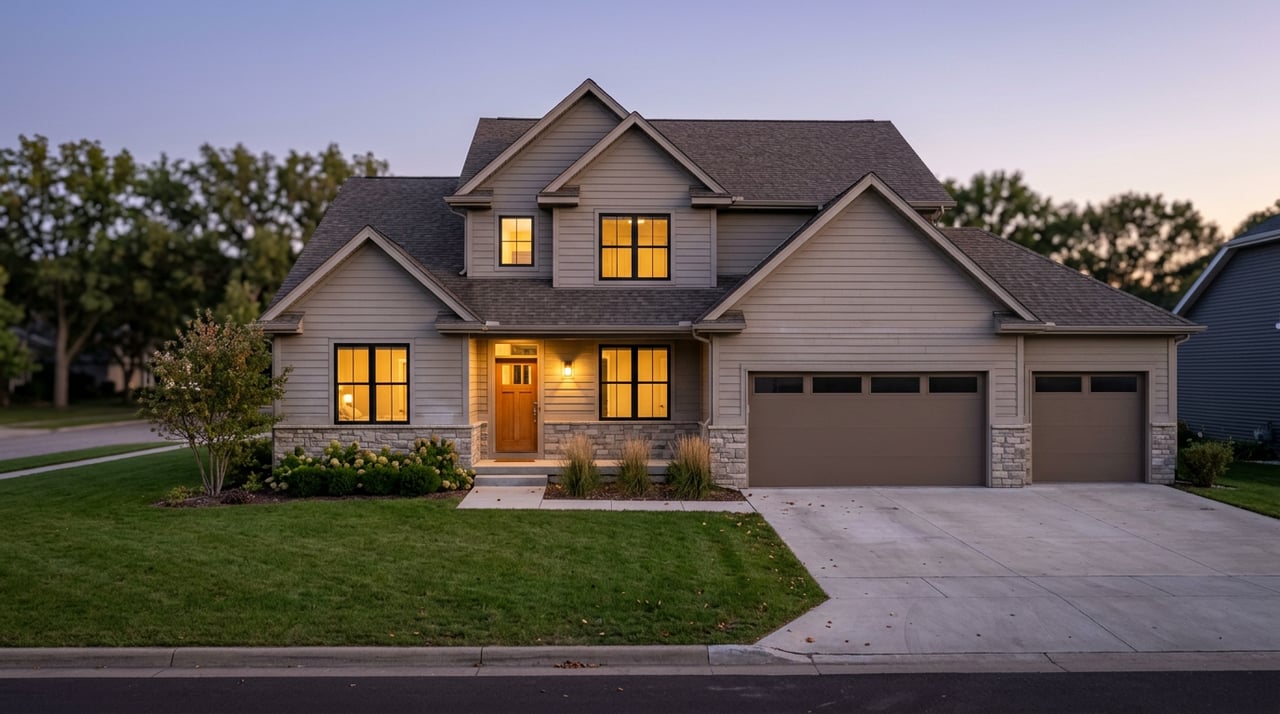
- Book a professional photographer and, if suitable, a videographer and drone operator. Aim for clear weather and consider twilight shots.
- Build your home’s feature sheet with upgrades, system ages, and neighborhood highlights.
- Finalize your pricing strategy and marketing calendar. Plan your first open-house weekend.
- If your MLS allows, consider a brief “coming soon” pre-launch strategy to build attention.
14–7 days: Media production and approvals
- Complete the photoshoot: interior, exterior, detail shots, and neighborhood context if helpful.
- Film a 60–90 second video tour. For larger lots, consider licensed drone footage.
- Add a virtual or 3D tour to enhance online engagement.
- Verify listing data and upload disclosures for a smooth go-live.
7–0 days: Launch week
- Go live in the MLS and confirm syndication to major portals.
- Launch a targeted email to agents and buyers and a concise paid social campaign.
- Host a broker preview and schedule your first public open house during the first weekend.
- Track showing feedback daily so you can adjust quickly if needed.
Media that moves buyers
Professional presentation matters in every season, and especially in competitive spring and fall windows.
- Photography: Shoot after staging and landscaping updates. Aim for bright, even light. Schedule twilight exteriors if your home shines at dusk.
- Video: A short highlight reel paired with a narrated walkthrough helps buyers pre-qualify themselves and increases online time-on-page.
- Drone: Use when it adds clear value, such as showing lot size, nearby parks, or water features. Always work with a licensed and insured operator.
- Digital experience: High-resolution image sets, property websites, and 3D tours help your listing stand out and convert online interest into in-person showings.
Launch-week marketing checklist
- MLS accuracy check: confirm every field and upload required disclosures.
- Media distribution: publish the full photo gallery and virtual tour wherever allowed.
- Email outreach: send “Just Listed” announcements to agent networks and matched buyers.
- Social ads: run a short, targeted campaign by ZIP and radius to reach likely movers.
- Open houses: schedule the first weekend and consider a weekday evening showing option.
- Local touchpoints: use tasteful neighborhood flyers or postcards for added visibility.
Smart adjustments after you go live
The first 7–14 days are your best feedback loop. Look at showings, online saves, and buyer comments.
- Strong traffic, no offers: revisit pricing strategy, terms, and buyer incentives. Confirm your description and lead photos highlight the right features.
- Low traffic: update your lead photos, refine the headline and description, and expand marketing targeting. If inventory is heavy, consider a tactical price adjustment.
Common timing scenarios
“Should I list right after renovations?”
Wait until every cosmetic task is complete and the home is professionally cleaned and staged. You only get one launch moment.
“Is ‘Coming Soon’ useful in spring?”
A short, rule-compliant pre-launch can build anticipation in high-demand seasons. Keep it brief and purposeful.
“How does pricing differ between spring and fall?”
Spring can support more aggressive pricing due to higher traffic. Early fall often performs well too, especially if inventory tightens. Let current comps guide your final call.
“Do school calendars really affect timing?”
They can. Many buyers prefer to close before a new school year or after major breaks. Coordinate with the Lake Central School Corporation calendar if that aligns with your goals.
Local insight, less stress
When you target the right window and pair it with standout marketing, you put your home in the best position to sell quickly and confidently. If you want help mapping your ideal timeline and building a marketing-first launch, reach out to The Ruvoli Group for a free home marketing plan tailored to St. John and surrounding Lake County communities. You’ll get a practical schedule, a clear pricing strategy, and professional media that meets the moment.
FAQs
What is the single best month to list in St. John?
- Late April through May often combines peak buyer activity with strong curb appeal, supporting faster sales and competitive pricing.
How far in advance should I start preparing my home?
- Start 60–90 days before your target list date to complete repairs, staging, and professional photos without rushing.
Does weather in Northwest Indiana affect listing results?
- Yes. Warmer months support better exterior photos and yard appeal, while winter can reduce foot traffic; see general patterns in NOAA climate normals.
Can I succeed if I must list in winter?
- You can. Focus on warm, inviting staging, excellent interior photos, and sharp pricing to stand out when buyer activity is lower.
How do school calendars influence my timeline?
Where can I learn more about St. John community resources?
- Visit the Town of St. John for local services, parks, and municipal information that can help buyers understand the area.