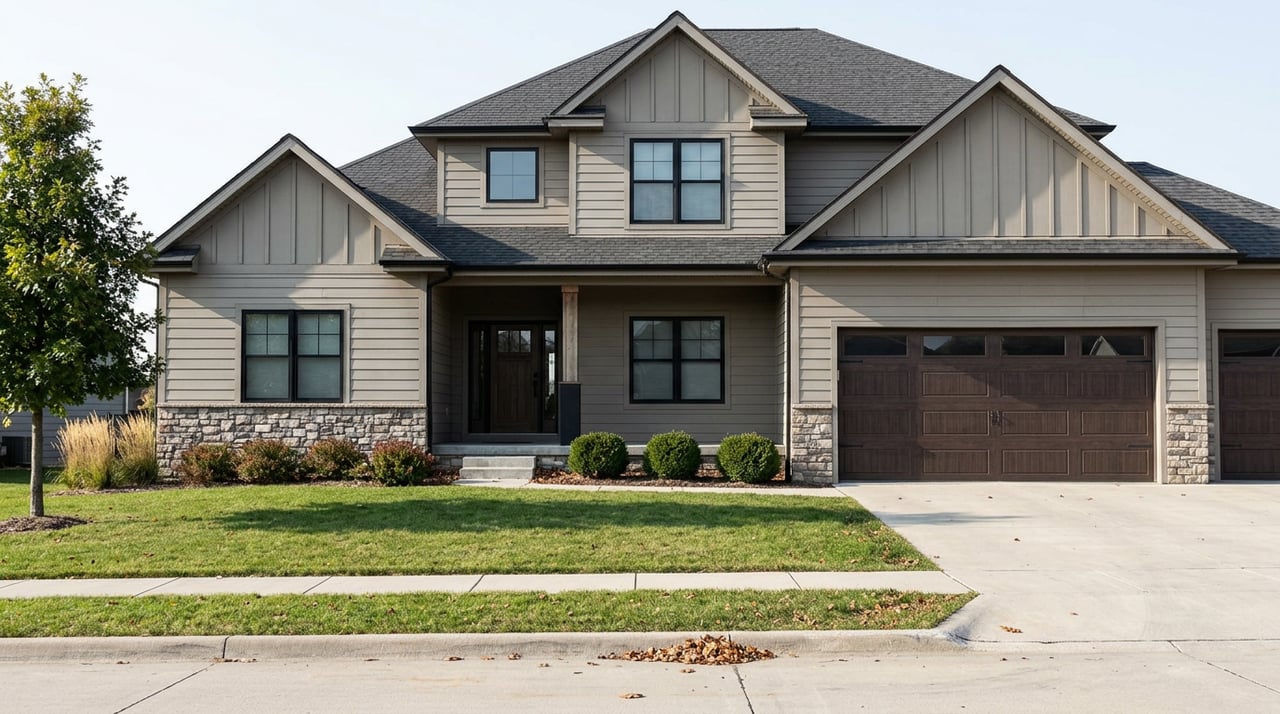
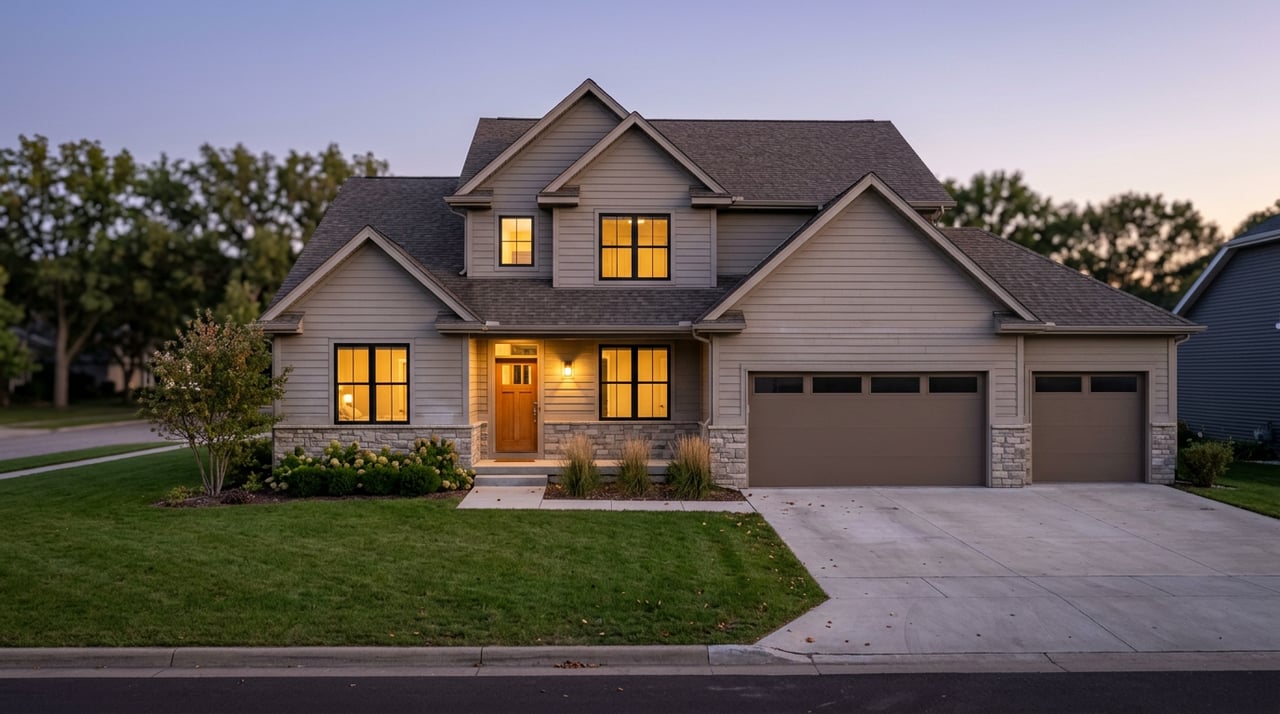
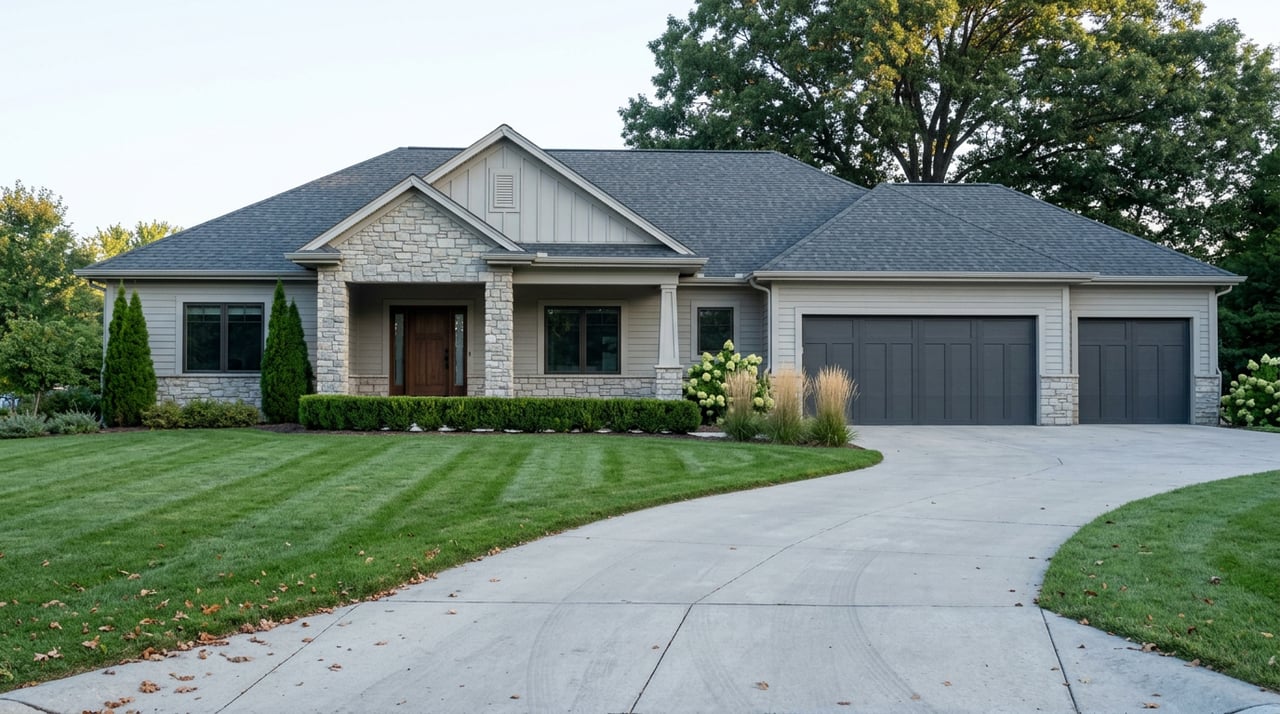
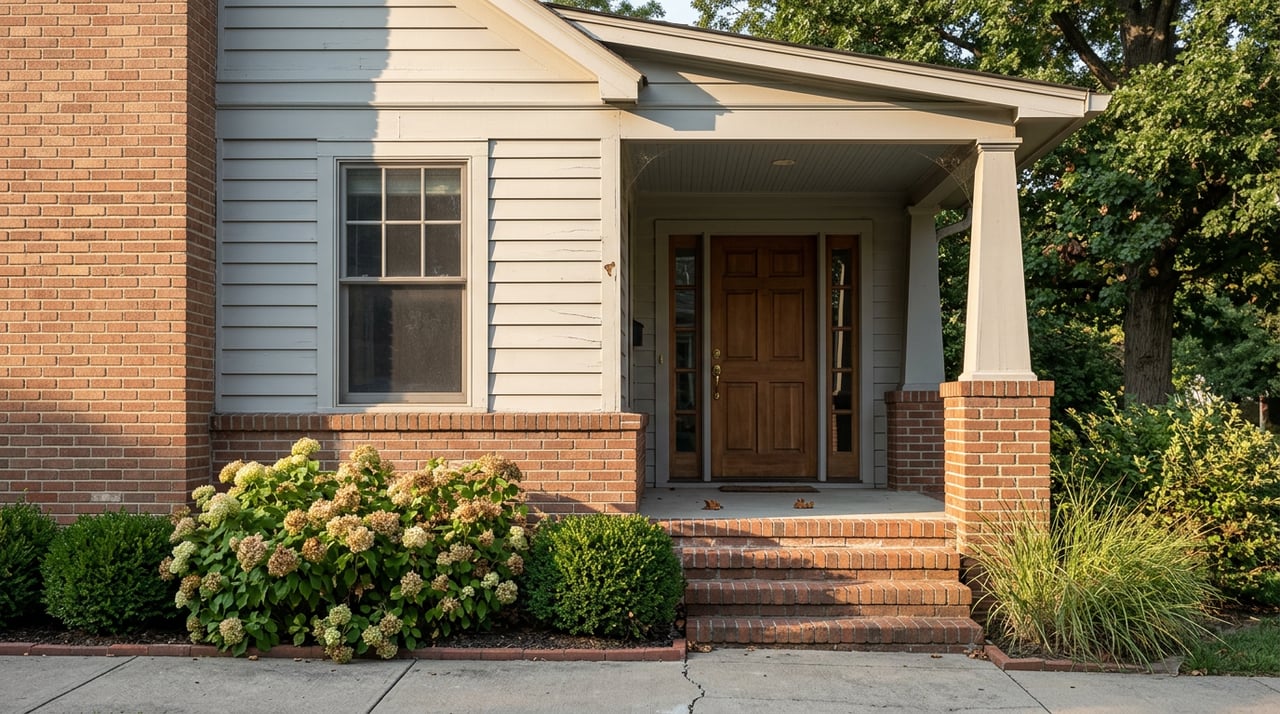
Thinking about lowering your monthly housing cost while building equity in Northwest Indiana? House hacking can help you live for less, learn landlording on a small scale, and set up future investment options. If you are considering Lowell, Gary, or nearby Lake Station, you’ll find a mix of property types and price points that can work with owner-occupant financing. This guide gives you a clear overview, a local-minded checklist, and a simple worksheet to run the numbers. Let’s dive in.
What house hacking means
House hacking means you buy a home, live in it as your primary residence, and rent out part of it to offset your costs. You might rent a separate unit in a duplex, a finished basement, a garage apartment, or extra bedrooms. The goal is to reduce your net housing payment while you build equity and gain real-world landlord experience.
In Lake County, price-to-rent ratios can be more favorable than many Chicago suburbs. That means lower purchase prices relative to potential rents in some neighborhoods. Conditions vary by city and even by block, so you need to verify rents, vacancy, and property condition upfront.
Lowell and Lake Station offer a lot of single-family homes where renting rooms or a basement suite can be practical. Gary and parts of Lake County often have lower entry prices but may need more rehab and active management. Your strategy should match your comfort with repairs, tenant turnover, and daily involvement.
Property types that work locally
Duplex to fourplex
- Pros: Separate units and leases make it easier to budget and tenant. You can qualify for owner-occupant multi-unit financing on 2 to 4 units.
- Cons: More systems to maintain. You may need separate utility meters and to meet multi-unit safety and egress standards.
Single-family with roommates
- Pros: Often the lowest purchase price and simplest to set up. Renting spare rooms can cover a large share of your payment.
- Cons: Shared spaces mean higher turnover potential. You will want clear house rules and a strong lease.
Basement suite or ADU
- Check zoning and building code before you count on the income. Confirm permits, egress, parking, and any inspection requirements. Legal compliance protects your investment and safety.
Condo with a rentable bedroom
- Review HOA bylaws for rental limits and any owner-occupancy rules. Some associations restrict renting or cap the percentage of units that can be leased.
Local features to evaluate
- Separate entrances and meters can boost rentability and simplify billing.
- Parking matters in tighter neighborhoods. Off-street spaces add value.
- Older homes may require electrical, plumbing, roof updates, or lead-safe practices for pre-1978 properties.
- Look at nearby rent comps, days on market for rentals, and demand drivers like commuting routes and local employers.
Financing and legal basics
Owner-occupant loans
- FHA financing can allow as little as 3.5 percent down on 2 to 4 units when you live in one unit. You’ll need to occupy the property within the required timeframe and typically for at least 12 months.
- Conventional loans are available for 2 to 4 units too, with down payments that may be higher than a single-family primary home. Compare rates and mortgage insurance options.
Renovation-friendly options
- FHA 203(k) and certain conventional renovation loans can bundle purchase and rehab. This is helpful if you need to make a unit rent-ready.
Insurance and safety
- Ask your insurer about a policy for an owner-occupied multi-unit or a landlord endorsement. Consider an umbrella policy for added liability.
- Safety items like smoke and carbon monoxide detectors, GFCIs, and secure exits are essential. Inspections may be required in some municipalities.
Taxes and reporting
- Report rental income and track deductible expenses like the rental portion of mortgage interest, property taxes, insurance, repairs, owner-paid utilities, management, and depreciation.
- Owner-occupancy can affect property tax exemptions. Consult a tax professional about depreciation and capital gains rules if you later sell.
Local registrations and rules
- Many Lake County municipalities require rental registration, a certificate of occupancy, and periodic inspections. Requirements can differ in Gary, Lowell, and Lake Station, so verify for the specific address.
- Federal lead-based paint rules apply to pre-1978 housing. Provide disclosures and follow safe work practices for renovations.
- Indiana has no statewide rent control as of the latest review. Local landlord-tenant law governs security deposits, notices, and eviction procedures.
Run the numbers with confidence
Step-by-step evaluation
- Confirm zoning and rental legality, including HOA rules if applicable.
- Pull rent comps within a mile for similar units or bedrooms.
- Estimate gross monthly rent for all rentable spaces.
- Estimate operating expenses:
- Property taxes and insurance
- Owner-paid utilities and trash
- HOA fees if any
- Maintenance reserve at 5 to 10 percent of gross rent
- Vacancy allowance at 5 to 10 percent
- Property management fee if you plan to use one
- Estimate your monthly mortgage payment, including mortgage insurance if required.
- Calculate NOI and cash flow using the formulas below.
Key formulas to use
- Gross Scheduled Rent = sum of all rents at full occupancy
- Effective Gross Income = GSR × (1 − vacancy rate) + other income
- Operating Expenses = taxes + insurance + utilities + HOA + maintenance + management + reserves
- Net Operating Income = Effective Gross Income − Operating Expenses
- Debt Service = monthly principal and interest + mortgage insurance if any
- Cash Flow (monthly) = NOI − Debt Service
- Cap Rate = (NOI × 12) ÷ Purchase Price
- Cash-on-Cash = Annual Cash Flow ÷ Total Cash Invested
Compact worksheet
- Purchase price:
- Down payment percent and amount:
- Loan amount:
- Interest rate (APR):
- Loan term (years):
- Monthly mortgage principal and interest:
- Monthly mortgage insurance (if any):
- Monthly property taxes:
- Monthly insurance:
- Monthly HOA:
- Monthly owner-paid utilities:
- Monthly maintenance reserve:
- Monthly vacancy allowance:
- Monthly property management:
- Monthly other income:
- Gross monthly rent:
- Effective gross monthly income:
- Monthly operating expenses:
- Monthly NOI:
- Monthly cash flow:
- Annual cash flow:
- Cap rate:
- Cash-on-cash return:
Example scenario
- Purchase price: 200,000
- Down payment: 3.5 percent FHA - 7,000
- Estimated P&I plus mortgage insurance: 1,200 per month
- Two units at 800 each: gross rent 1,600 per month
- Vacancy at 8 percent: 128 - effective income 1,472
- Expenses: taxes 200, insurance 75, utilities 75, maintenance 100, management 0 - total 450
- NOI: 1,472 − 450 = 1,022 per month
- Cash flow: 1,022 − 1,200 = −178 per month
This shows why careful underwriting matters. Even if cash flow is slightly negative, rent offsets can significantly reduce your living cost while you build equity. Test multiple scenarios, include rehab, and be conservative with vacancy and expenses.
Risks and smart mitigations
- Unexpected rehab costs: Order a thorough inspection, get contractor bids, and set a contingency reserve.
- Vacancy and turnover: Use fair, consistent screening, market at competitive rents, and budget a vacancy allowance.
- Code compliance: Verify rental registration, inspection cycles, and safety requirements before closing.
- Insurance and liability: Confirm the correct policy type and consider an umbrella policy.
- Financing surprises: Get pre-approved with a lender experienced in owner-occupied 2 to 4 units and confirm how they count projected rental income.
Local next steps in Lake County
- Pull rent comps for Lowell, Gary, and Lake Station based on your exact plan - full unit rents or per-bedroom.
- Get pre-approved for an owner-occupant loan and ask about FHA, conventional, and renovation options.
- Tour properties that already have separate entrances or near-ready rental spaces to reduce upfront work.
- Check municipal rental registration and inspection rules for the specific address.
- Consult a CPA on taxes, depreciation, and how homestead exemptions apply when part of your home is rented.
- If you are new to landlording, consider self-managing your first lease with clear processes or interview property managers ahead of time.
How The Ruvoli Group helps
You deserve local guidance from a team that knows the neighborhoods, the numbers, and the process. Based in Crown Point, we help buyers and investors find and evaluate opportunities in Lowell, Cedar Lake, St. John, and across Lake County. We bring MLS-backed searches, on-the-ground insight, and a high-touch, founder-led approach to every acquisition.
If house hacking is on your roadmap, we can help you identify promising properties, analyze rent offsets, and negotiate with confidence. Start your search and get local guidance with The Ruvoli Group.
FAQs
What is house hacking in Lowell?
- It is buying a home you live in and renting part of it - a unit, basement, ADU, or rooms - to offset your housing costs while you build equity.
Can I use FHA to buy a duplex?
- Yes, FHA allows owner-occupants to buy 2 to 4 units with as little as 3.5 percent down when you live in one unit and meet occupancy rules.
How long must I live in the property with FHA?
- FHA typically expects you to occupy the home within the required timeframe and live there for about 12 months - confirm details with your lender.
Do I need separate utility meters for tenants?
- Not always. Separate meters simplify billing and can improve rentability, but requirements vary by property and local code - verify before you buy.
Are there rental registrations in Gary or Lowell?
- Many Lake County municipalities require rental registration and inspections. Check the specific city or town website for current rules and fees.
How do taxes work if I rent part of my home?
- Report rental income and deduct eligible expenses for the rented portion, including depreciation. A CPA can help you allocate expenses and plan ahead.
Is there rent control in Indiana?
- Indiana has no statewide rent control as of the latest review. You should still follow all local landlord-tenant laws and fair housing rules.