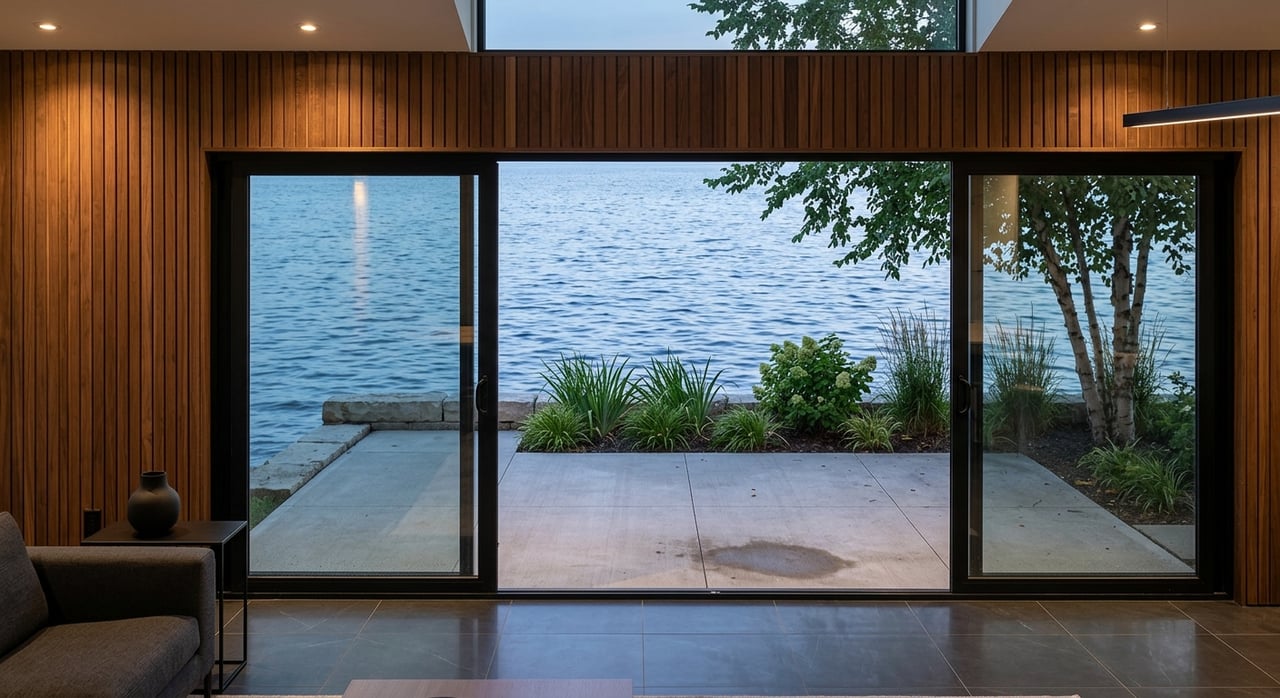
Buying Near Water in Cedar Lake: What to Check First
June 18, 2026
June 18, 2026
Dreaming about a home near Cedar Lake? The view can be a big draw, but buying near the water involves more than picking the lot with the best scenery. You also need to think about permits, drainage, flood questions, shoreline improvements, and any rules that come with the property. If you want to buy with more confidence in Cedar Lake, this guide will walk you through the details that matter most. Let’s dive in.
Cedar Lake centers around a 794-acre lake, which gives the town a strong waterfront identity. Public access at the north end, along with a public beach and pier area, adds to the appeal for buyers who want recreation close to home.
That setting can create a lifestyle many buyers want, especially if you enjoy boating, fishing, or simply being near the water. At the same time, a home near the lake may come with more seasonal activity and less privacy than an inland property. It helps to weigh the day-to-day experience, not just the view from the backyard.
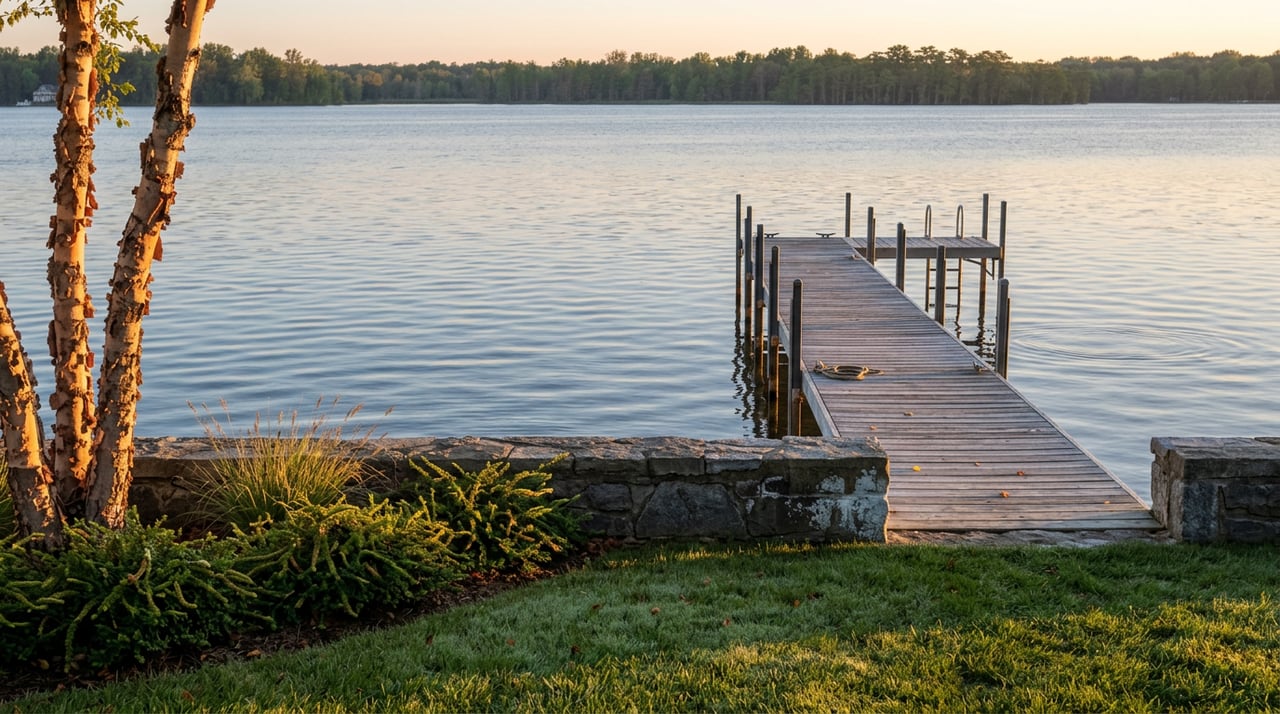
Cedar Lake’s public beach and pier area are actively managed by the town. Current rules include no lifeguard, no overnight docking, a two-hour dock limit, and a cap on the number of boats docked at one time.
For you as a buyer, that means waterfront living here is partly shaped by shared access and public use patterns. In some cases, that is a benefit. In others, it may affect how private or quiet a location feels during peak season.
Cedar Lake is listed by Indiana DNR as a public freshwater lake. That matters because shoreline use is regulated under the state’s Lake Preservation Act.
In practical terms, work at the water’s edge is not treated the same way as changes on a typical inland lot. If you plan to repair, build, or alter anything along the shoreline, you should expect rules and approvals to be part of the process.
Indiana DNR states that activity at or lakeward of the legal or average normal shoreline generally requires written authorization before work begins, unless a narrow exemption applies. Temporary piers may qualify for a general license only if they are removable and meet DNR criteria for access, navigation, and size.
Other improvements, like seawalls, underwater beaches, and dredging, are more likely to need state review. If a seller says a dock or shoreline structure has been there for years, that alone is not enough. You should verify the condition and permit history of any pier, seawall, riprap, stairs, or beach work before you move forward.
The Town of Cedar Lake planning and building department reviews setbacks, zoning requirements, floodplain management, land-use standards, materials, and construction practices before permits are issued. That makes local review just as important as state shoreline rules.
If you are hoping to add onto a home, change a shoreline feature, or improve a site near the water, the exact parcel details matter. A quick assumption can lead to expensive surprises later.
Cedar Lake’s zoning ordinance includes a Wetland and Watercourse district designed to protect watercourses, potable water supplies, high water tables, periodic flooding, and unstable soils. For buyers, this is a reminder that drainage, soil conditions, and erosion concerns are not small issues near the lake.
If you are comparing properties, pay close attention to grading, standing water, soft ground, and any visible signs of shoreline instability. These details can affect both current enjoyment and future project options.
Some older or irregular lake parcels may fall under Cedar Lake’s Legacy Lot Overlay District. This district was created for lots that predate incorporation and may not follow the same bulk standards as newer subdivision lots.
That means a waterfront cottage lot may have a different zoning history than a newer home nearby. If a property seems unusual in shape, size, or setbacks, it is worth checking exactly how that parcel is classified before making an offer.
Town zoning does not override easements, covenants, or private agreements. On lake properties, that is especially important because private restrictions can control things like docks, exterior changes, parking, rentals, or common-area use.
If the home is in an HOA or governed community, review the recorded documents early. You will want to understand the CC&Rs, bylaws, amendments, budget, special assessments, and any rules tied to slips, beach access, or common areas.
Every home needs a standard inspection, but lake-adjacent homes usually call for extra attention in a few specific areas. Moisture, runoff, grading, and shoreline condition should move to the top of your checklist.
Cedar Lake’s zoning text specifically addresses eaves and overhangs as protection for walls and foundations from runoff. The same ordinance also highlights erosion control and unstable soils in watercourse areas, which makes site drainage a key part of your due diligence.
When you tour or inspect a near-water property, look closely at:
These items may not look dramatic during a short showing, but they can have a major impact on upkeep and future repair costs.
Not every home near Cedar Lake will have the same utility setup. Cedar Lake’s zoning ordinance states that every lot should have public water and public sewers if available, but some properties may still require close review of their current systems and history.
If a home uses septic, the Lake County Health Department permit application requires a scale site plan and a soils report from a certified soils scientist. It also notes that sump-pump discharge should not be directed into the septic area, and that site disturbance after evaluation may require a new evaluation and modified permit.
For you, that means septic due diligence should include:
If a home uses a private well, ask for recent water test results and the well log. Indiana Department of Health guidance recommends at least annual testing for bacteria and nitrates, plus additional testing for fluoride, arsenic, lead, and copper at least every five years or after major maintenance.
The key point is simple: clear water is not the same as tested water. If a property has a well, that documentation should be part of your review before closing.
Flood risk is one of the most important early checks for a property near the lake. FEMA states that National Flood Insurance Program requirements apply to mapped Special Flood Hazard Areas shown on Flood Insurance Rate Maps.
For a buyer, this can affect insurance cost, lender requirements, and what future work may be restricted. The earlier you confirm flood-zone status, base-flood elevation, and any floodway issues, the better you can evaluate the full cost of ownership.
Lake living is not static throughout the year. Indiana DNR notes that lakes and reservoirs can face summer blue-green algae advisories and pressure from aquatic invasive species that may affect boating and fishing.
That does not mean you should avoid waterfront property. It means you should view the lake experience as something that changes with the seasons, with both benefits and maintenance realities built into ownership.
Before you commit to a near-water property in Cedar Lake, try to get clear answers to these questions:
Getting these answers up front can help you avoid buying into a problem you did not plan for.
Buying near the water often involves more moving parts than a standard residential purchase. You may need zoning clarification, shoreline permit information, title review, survey work, or septic records before you feel comfortable moving ahead.
That is where local knowledge can make the process smoother. When you understand how Cedar Lake properties differ from inland homes, you can make better decisions and protect your budget, your plans, and your peace of mind.
If you are considering a waterfront or near-water home in Cedar Lake, The Ruvoli Group can help you evaluate the property details that matter before you make your move.
Stay up to date on the latest real estate trends.



I have specific knowledge of creating go-to-market strategies that will get your home seen and sold. Customer service is our highest priority! We are here to help you every step of the way in your buying or selling experience.
Get In Touch With Our Team To Learn More

855 E NORTH ST CROWN POINT IN 46307