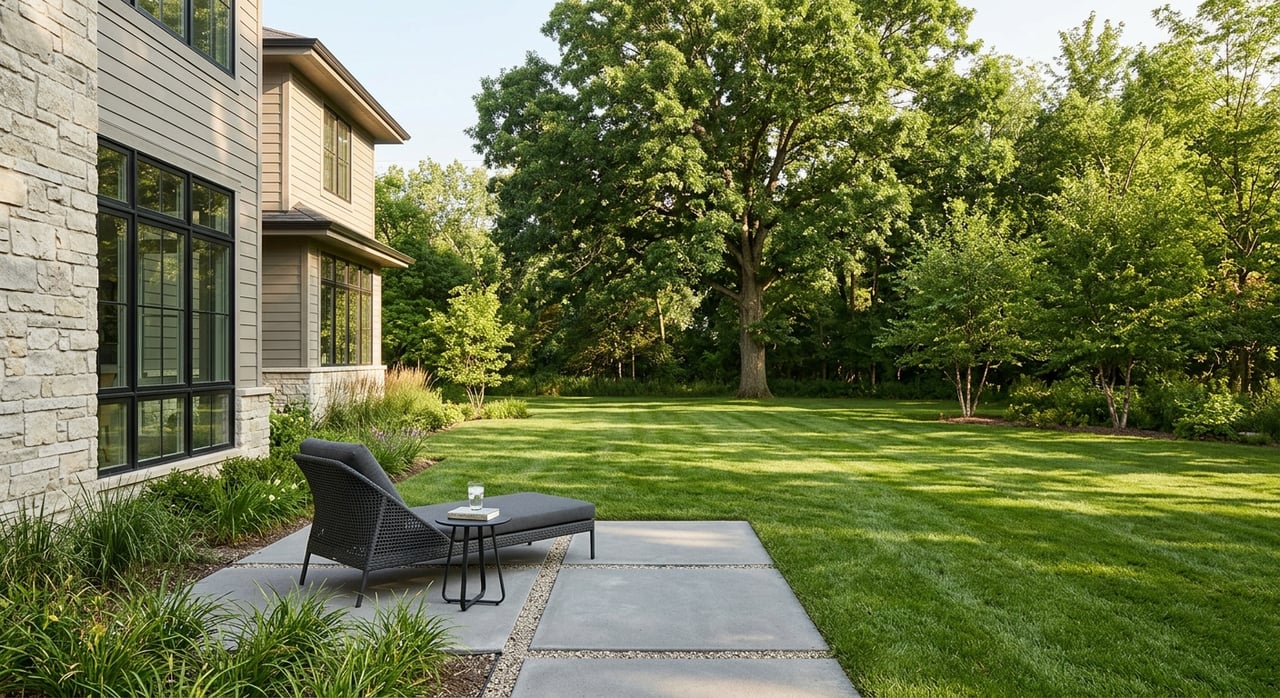
Living in Lowell Indiana: Space, Shops and Traditions
May 14, 2026
May 14, 2026
If you want a town that feels grounded, spacious, and connected to local tradition, Lowell deserves a closer look. For many buyers, the appeal is simple: more breathing room, a recognizable downtown, and a lifestyle that still feels tied to community rituals instead of constant rush. If you are weighing where to put down roots in Northwest Indiana, Lowell offers a helpful mix of open space, everyday convenience, and small-town identity. Let’s dive in.
Lowell has the kind of setting that stands out in a region where many communities can feel more built out and fast-paced. The town has an estimated population of 11,449 within 6.47 square miles, which helps explain why it often feels manageable and familiar instead of overwhelming.
The housing picture supports that feeling too. About 84.3% of homes are owner-occupied, which points to a community where many residents stay put and invest in their properties over time. For you, that can translate into a more settled day-to-day atmosphere.
Another part of Lowell’s identity comes from its historic downtown. The town’s historic district is centered on Commercial Avenue, the heart of the business district, and it was listed on the National Register of Historic Places in 2003. That gives Lowell a classic main street feel that is hard to replicate.
One of Lowell’s biggest lifestyle draws is simple: room to spread out. The town’s zoning shows a clear range of living options, from conventional residential neighborhoods to areas that preserve a more rural edge.
In Lowell’s AG district, minimum lot sizes are 10 acres with at least 200 feet of width. That is a meaningful detail if you are drawn to land, privacy, or a more open setting on the edge of town. The AG district also allows single-family homes and passive recreation trails, reinforcing that rural-country feel.
The R2 residential district tells a different but equally useful story. It is intended for single-family homes on medium-sized lots, with minimum lot areas above 10,800 square feet and minimum widths of 80 feet. The target density of 2.5 to 4.0 dwelling units per acre supports the idea that even more traditional neighborhoods in Lowell can feel less compressed than higher-density areas.
For buyers, this means Lowell is not just one thing. You can find settings that lean more neighborhood-focused or settings that feel closer to the countryside, depending on your priorities.
Lowell’s commercial identity is rooted in local businesses and town institutions rather than a purely regional retail feel. The Lowell Chamber of Commerce has more than 120 members and actively promotes events for residents and businesses, which speaks to a local business scene with real community involvement.
That matters when you think about your weekly routine. In a town like Lowell, shopping and dining can feel more personal because the business district is tied closely to the community itself. Instead of being just a place to run errands, downtown can become part of how you experience the town.
Commercial Avenue plays a big role in that experience. Because it anchors the historic district and town business core, it helps create a sense of place that many buyers are looking for when they say they want “small-town charm” with practical everyday function.
One of the clearest examples of Lowell’s shop-local culture is the Market on Mill. It begins the first Thursday of each month from May through September at 3 p.m. at 301 E Commercial.
The market is described by the town as a venue for independent businesses, artisans, local farmers, orchards, gourmet foods, and fresh-baked items. That mix gives the event a very local feel and creates an easy way for residents to support nearby makers and vendors.
If you enjoy towns where community life is visible, this kind of event matters. It turns an ordinary afternoon into a reason to head downtown, browse, and connect with what is being grown, made, and sold nearby.
Some towns have events. Lowell has traditions that help define the local calendar.
The strongest example is the Labor Day Festival, which remains one of the clearest signs of Lowell’s community-first culture. The official festival schedule for 2026 includes the 72nd Annual Kiddie Parade on September 6 and the 107th Annual Labor Day Parade on September 7.
The festival also includes food, a beer garden, live music, vendors, a kids zone, fireworks at Oakley Park, and public parking throughout downtown Lowell. For residents, that kind of annual tradition creates a sense of continuity. For buyers considering a move, it offers a glimpse into how the town comes together in a visible, lasting way.
Lowell’s lifestyle is not just about events. It is also about how easy it is to enjoy simple outdoor time close to home.
The town’s park system includes Freedom Park, Evergreen Park, Nassau Park, Moose Park, and Olde Towne Square. That network gives residents several options for spending time outdoors without needing to travel far.
Freedom Park includes a dog park, playground, sports fields, a shelter, and a gazebo. Evergreen Park adds a fishing pond, basketball courts, a playground, and rentable shelter space. Those features make the parks useful for everything from casual evenings outside to group gatherings and active weekends.
If you are looking for a town where outdoor amenities are woven into regular life, Lowell checks that box in a practical way. The parks are not just scenic extras. They support how people gather, play, and unwind.
Lowell also has future plans that build on its outdoor appeal. The planned Freedom Trail is intended to connect the town’s park network for bikers, hikers, and family activities.
The trail is currently in the planning stages, with full construction targeted for 2026. While it is not yet complete, the project still tells you something important about the town’s direction. Lowell is thinking about connected public spaces and how residents move between parks and activity areas.
For buyers who value walkable or bike-friendly recreation, that long-term planning can be encouraging. It suggests a town that wants to preserve its open-air lifestyle while improving how amenities work together.
Lowell’s pace tends to appeal to people who want more space without feeling fully disconnected from the region. The town sits near the I-65 corridor, about 50 miles south of downtown Chicago, and State Road 2 runs east-west through downtown.
The town’s planning documents also note that State Road 2 is the only east-west thoroughfare in South County, while U.S. 41 is the county’s main north-south route. In practical terms, daily life in Lowell is still very much car-oriented.
That matches the Census Bureau’s reported mean travel time to work of 32.7 minutes. If you are considering a move here, it helps to understand the tradeoff clearly: you may gain more space and a quieter setting, but you should also expect a driving-based routine for work and many errands.
Lowell’s high owner-occupancy rate helps explain why the town often feels stable and established. When a large share of homes are owner-occupied, neighborhoods can take on a more rooted, long-term character.
The median owner-occupied home value is $248,000, and the median gross rent is $1,123. Those figures do not tell the whole story, but they do provide helpful context for understanding the local market and the town’s mix of ownership and rental housing.
For buyers, that owner-heavy base may be one more reason Lowell feels comfortable and consistent. For sellers, it highlights a market where community identity and neighborhood presentation can matter.
Lowell can be a strong fit if you are looking for:
It may be especially appealing if your ideal lifestyle includes a little more elbow room and a little less rush. Lowell offers that without feeling isolated.
What makes Lowell memorable is not just one feature. It is the combination of open-space potential, a historic business core, recurring local events, and a lived-in community rhythm.
You can see that mix in the details: large-lot agricultural zoning on the edges, single-family neighborhoods with more moderate density, a historic downtown on Commercial Avenue, a seasonal market, established parks, and a Labor Day tradition that has lasted for generations. Together, those details create a town that feels distinct.
If you are searching for a place in Northwest Indiana where country comfort and community life meet in a practical, everyday way, Lowell is worth serious consideration. And if you are planning a move, selling a home, or comparing towns nearby, working with a team that understands Lowell’s local character can make the process much easier.
Whether you are buying your next home or preparing to sell in Lowell, The Ruvoli Group can help you navigate the market with personalized guidance and local insight.
Stay up to date on the latest real estate trends.

I have specific knowledge of creating go-to-market strategies that will get your home seen and sold. Customer service is our highest priority! We are here to help you every step of the way in your buying or selling experience.
Get In Touch With Our Team To Learn More

855 E NORTH ST CROWN POINT IN 46307