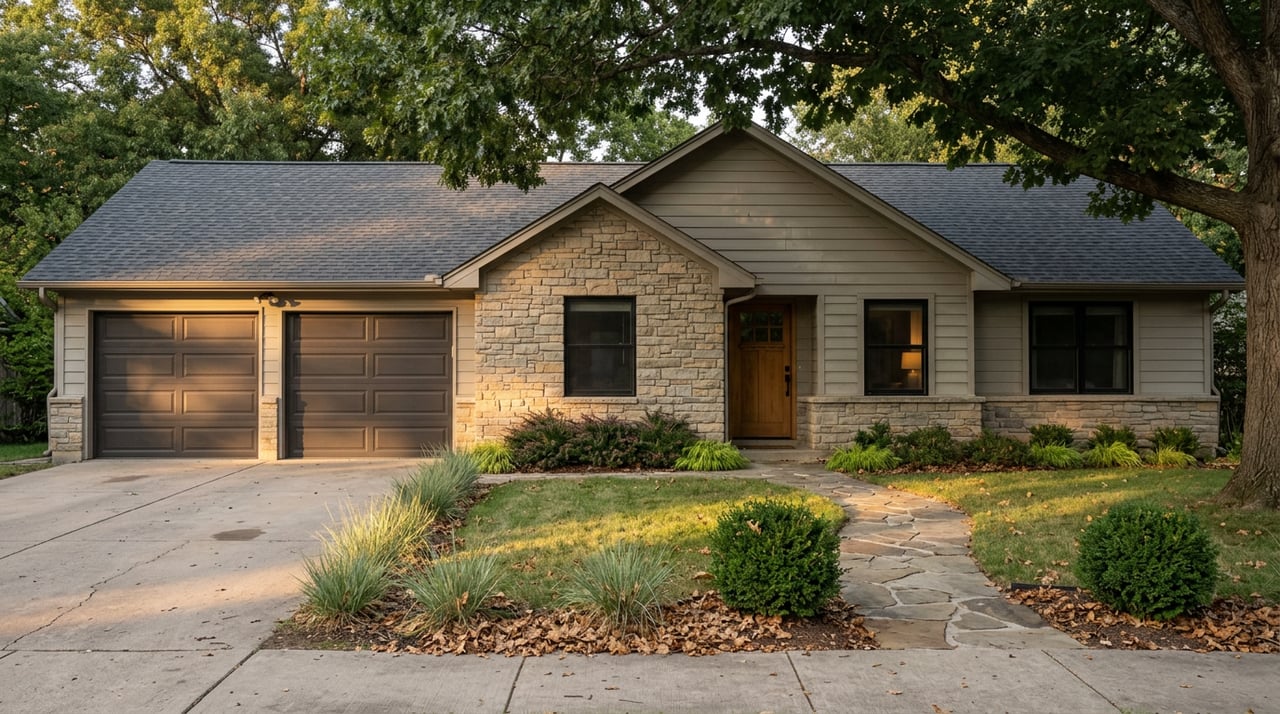
Outgrowing your current home in Crown Point but want to stay close to the people, parks, and routines you love? You are not alone. Many local owners are eyeing more space, a larger lot, or a newer build while trying to time a sale and a purchase in a tight market. In this guide, you’ll learn the smartest ways to structure a move‑up, how to use your equity, and what to expect across price bands in Crown Point. Let’s dive in.
Crown Point market at a glance
Crown Point is a moderately active, seller‑leaning market as of early 2026, with median sale prices in the low to mid $300,000s and marketing times often around one month. Public trackers like Redfin and Zillow show median sale prices near 330,000 to 346,000 and typical days on market roughly 32 to 45, depending on methodology and timing. Homes.com and local snapshots report about 2.4 to 2.7 months of supply, which signals a seller’s market.
Across Lake County, Gary’s market sits at a lower price point, with medians well below Crown Point. If you are open to widening your search radius, that gap can expand your options, though neighborhood and commute tradeoffs matter.
What this means for you: sellers of the home you want often prefer strong, non‑contingent offers. If you need to sell first, you can still win, but your strategy and terms must be clear and compelling.
Choose your path: sell or buy first
Sell first
- Best when you want certainty on proceeds and do not want to carry two mortgages.
- You may need short‑term housing if you do not find the right replacement immediately.
- In Crown Point, well‑priced homes can sell within roughly 30 to 45 days, but timing varies by price band and condition.
Buy first
- Best when you want to avoid a home‑sale contingency and compete for limited listings.
- Requires strong income and meaningful equity, plus financing to bridge the gap.
- Options include a HELOC, a fixed home equity loan, a bridge loan, or select buy‑before‑you‑sell services. Compare total costs and qualify for overlapping payments before you proceed. For a plain‑English primer on equity products, see the Consumer Financial Protection Bureau’s guide on the difference between a home equity loan and a HELOC.
Make a contingent offer
- Common and workable, but less competitive in low‑inventory segments.
- A seller may add a kick‑out clause, which lets them keep marketing the home. If a better offer appears, you typically have 48 to 72 hours to remove your home‑sale contingency or step aside.
- You can strengthen a contingent offer with a larger earnest deposit, shorter contingency windows, proof your home is listed or under contract, and a rock‑solid pre‑approval. For basics, see this NerdWallet explainer on contingent offers.
Make contingencies work for you
In a competitive submarket, keep your contingency period tight, often 21 to 30 days. Include evidence that your current home is market‑ready or already under contract. Offer flexibility on the seller’s preferred closing date. If a seller requests a kick‑out clause, review the timeline and conditions with your agent so you can move quickly if needed.
Use your equity wisely
Your current home is likely your biggest funding source for the next one. Here are common tools and tradeoffs:
- HELOC. A revolving line secured by your home. Flexible draws and often variable rates. Useful for a short‑term down payment bridge if you can qualify. Learn more from the CFPB’s overview of HELOCs vs. home equity loans.
- Home equity loan. A fixed‑rate second mortgage paid in installments. Predictable, but less flexible than a HELOC.
- Cash‑out refinance. Replaces your first mortgage and pulls cash at closing. This can work if today’s rates are close to your current rate. If you have a very low first‑mortgage rate, the reset may be costly. A quick overview of tradeoffs appears in this comparison of bridge loans vs. cash‑out refinances.
- Bridge loan. Short‑term, higher‑cost financing designed for buy‑before‑sell timelines. Best when speed and competitiveness matter and you expect a fast sale of your current home.
- Home equity contracts. A non‑loan product that trades a share of future appreciation for cash today. These can be complex and may require a large lump‑sum repayment. Review the CFPB’s issue spotlight on home equity contracts and consult counsel before proceeding.
Tip: compare the full cost picture, not just the rate. Include origination fees, potential overlap months, and any program fees.
Price bands and inventory in Crown Point
Crown Point has clear tiers, and inventory is tighter in many move‑up segments:
- Starter homes. Often 2 to 3 bedrooms and 1,000 to 1,600 square feet. Ballpark pricing tends to run from the low to mid $200,000s up to about $300,000, depending on the neighborhood and condition.
- Move‑up homes. Commonly 3 to 5-plus bedrooms and 1,800 to 3,000-plus square feet, newer or recently updated, or in sought‑after subdivisions. Expect a broad range around 350,000 to 700,000, with custom or luxury properties above that.
- Price per square foot. Townwide averages often land near 180 to 190 per square foot, with premiums in newer or custom pockets. Use price per square foot only when comparing homes of similar age and condition.
Neighborhood values vary across subdivisions, with areas like Ellendale Farm and certain custom‑build pockets trending above the town median while older areas and some townhome communities sit lower. Always anchor your search with fresh, neighborhood‑level comps.
What a winning offer looks like
In a seller‑leaning environment, non‑price terms can set you apart without overreaching:
- Offer a larger earnest money deposit and present a strong lender pre‑approval.
- Shorten financing and appraisal timelines where reasonable.
- Let the seller choose the closing date or offer a short rent‑back if they need time to move.
- Keep inspection timelines efficient and focus requests on material items.
Quick net proceeds check
Before you choose a path, estimate your likely cash from the sale:
- Start with an expected sale price for your Crown Point home. Many owners reference recent medians and a neighborhood CMA.
- Subtract your mortgage payoff.
- Subtract seller costs. Agent commissions often total around 5 to 6 percent nationally, and total seller closing costs can land near 7 to 10 percent including commission. See Bankrate’s overview of agent fees for context.
- Hold back funds for moving costs, possible overlap months, and rate buydowns on your next purchase.
Illustrative example: if your home sells for 330,000, your mortgage payoff is 200,000, and total seller costs are about 8 percent, your estimated net is roughly 103,600. This is a simple estimate. Always request a detailed net sheet tailored to your property and timeline.
Tax note: Many sellers can exclude up to 250,000 of capital gains if single or up to 500,000 if married filing jointly when they meet ownership and use tests. Review the IRS rules in Publication 523 and speak with your tax advisor.
Timeline playbook
- Prepare to list. Declutter, handle key repairs, consider a pre‑inspection, and use professional photography and staging. Strong marketing helps you sell quickly and cleanly in most price bands.
- If you need to sell first, negotiate a short post‑closing occupancy if available. A 30 to 60‑day rent‑back can give you time to shop and move once you have your proceeds.
- If you must buy first, line up your equity tool and keep a clear exit plan in case your current home takes longer to sell.
A simple decision framework
- You have strong income and significant equity, and you want the most competitive offer: consider a HELOC or bridge loan, and compare total costs against a quick expected sale.
- You want to avoid carrying costs and reduce risk: list first and pursue a rent‑back if you need time to find the right property.
- You must use a home‑sale contingency: keep timelines tight, show active listing progress, and be open to a kick‑out clause.
Ready to map out your move‑up in Crown Point with a custom plan and neighborhood‑level comps? Connect with The Ruvoli Group to align your sale and purchase and to market your current home with professional photography, video tours, and targeted local promotion.
FAQs
What does “seller’s market” mean in Crown Point?
- It means low months of supply and faster marketing times, so sellers have more leverage and clean, non‑contingent offers often rise to the top.
Should I sell my Crown Point home before buying the next one?
- If you value certainty and want to avoid two mortgages, selling first is safer; if you need to compete for scarce listings, buying first can work if you qualify for bridge financing or a HELOC.
How can I make a home‑sale contingency more competitive?
- Keep the contingency window short, increase your earnest deposit, provide proof your home is listed or under contract, and be open to a kick‑out clause.
What equity option is best for a down payment bridge?
- A HELOC is flexible but often variable‑rate, a home equity loan is fixed and predictable, and a bridge loan is short‑term and higher‑cost; compare full fees and talk with your lender.
What price range fits a move‑up home in Crown Point?
- Many move‑up properties list and sell from about 350,000 to 700,000 and above depending on size, age, finishes, lot, and subdivision.
How do rent‑backs help my timeline?
- A short post‑closing occupancy lets you sell, close, and remain as a temporary tenant for 30 to 60 days while you close on your next home and coordinate moving.